
Martha's Vineyard history and Noepe
Martha's Vineyard history begins long before the colonial records of its towns. The Wampanoag are a living community with an enduring connection to Noepe, the island. Their connection to the land continues today, and a visit to Aquinnah is an opportunity to approach its landscape with respect rather than treat it as a relic of the past.
The Wampanoag Tribe of Gay Head received federal recognition in 1987. The town’s name was officially changed from Gay Head to Aquinnah in 1998. These dates describe particular political and naming events, not the beginning or end of the community’s presence.
To put island places in context, an island bus tour uses historical images on screens. It is a general sightseeing trip, so plan any independent visits to cultural places separately and check their visitor arrangements.
Our take: an island drive
This general island bus drive adds historical images on a screen to the outing.
Hand-picked tours, booked through Viator. Prices are indicative starting prices in US dollars (as of October 2026). Tap a tour for live availability and the current price in your currency.
See the island in context
A general island bus tour includes historical images on screens.
Aquinnah and the Gay Head light
Aquinnah’s cliffs are sacred to the Wampanoag. Do not climb them or remove clay, plants or artifacts. Respect private land and stay on permitted routes. A view from an appropriate public area allows you to appreciate the landscape while leaving it intact.
The first Gay Head lighthouse was built in 1799. The light was moved inland in 2015, and restoration and a new rotating lens followed in 2025. These are separate events; the date of the first lighthouse should not be confused with the construction date of the present tower. Check seasonal opening arrangements if you want to visit inside.
Colonial Edgartown
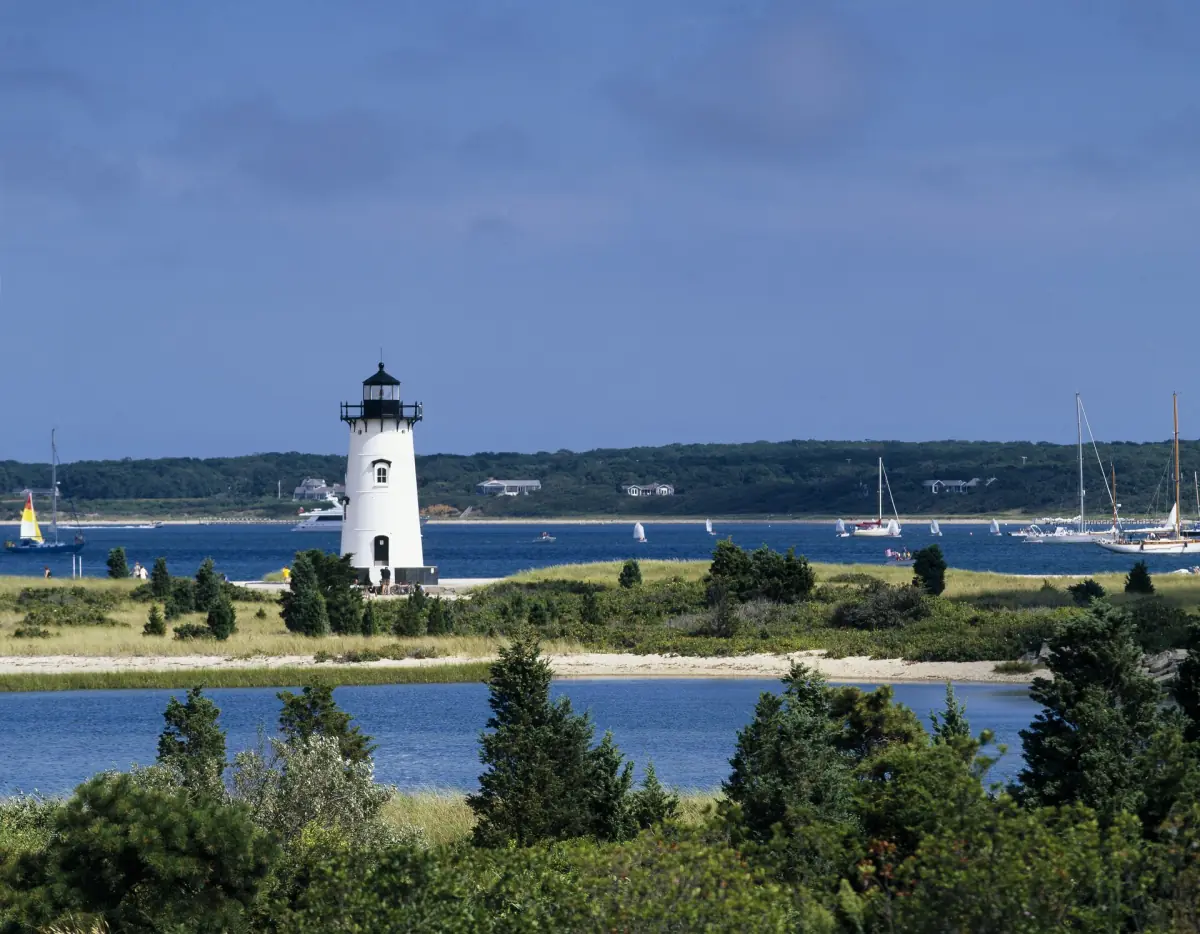
Edgartown’s first documented colonial settlement dates to 1642, with municipal incorporation in 1671. The word colonial matters: it distinguishes those records from the much longer Indigenous history of the island. When walking through the town today, consider the different layers of community and place behind a single date.
Edgartown is also a practical starting point for Chappaquiddick. The small ferry and local access rules require their own planning; the sightseeing guide explains how to approach that visit. Leave time for a return crossing instead of treating the two sides as one uninterrupted road trip.
Oak Bluffs and the Camp Meeting
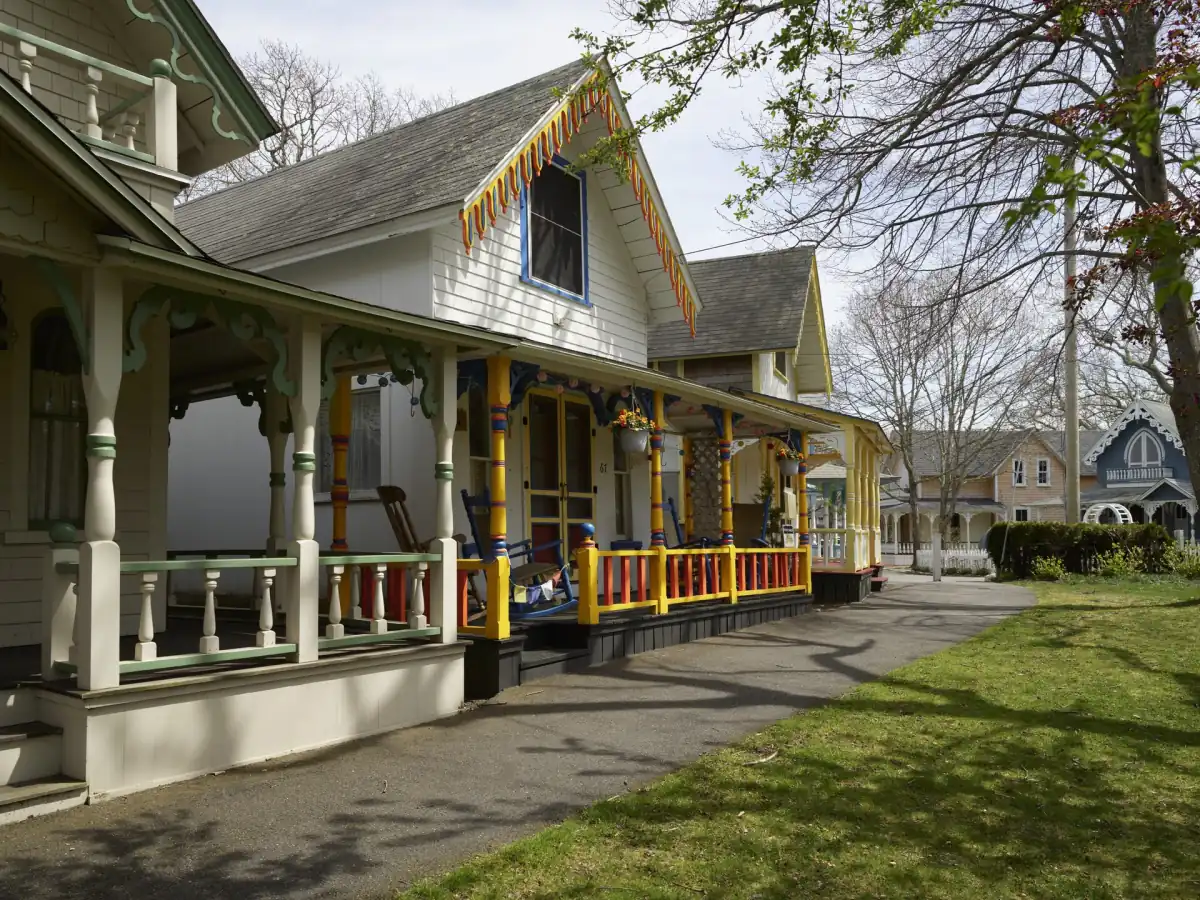
The Gingerbread Cottages are connected to the nineteenth-century religious camp meeting movement. The Campground’s paths and streets let visitors see the exterior of this historic setting throughout the year. The houses remain private: photograph from paths or streets and do not enter gardens or porches.
The Cottage Museum operates seasonally from Memorial Day weekend to mid-October. Check its schedule for your date before relying on an indoor visit. Our Oak Bluffs guide also covers the Flying Horses Carousel and a respectful walk through the neighborhood.
Black history and Inkwell
Oak Bluffs is an important place in African American history. Inkwell has been a traditional gathering place for Black families and visitors, adding another living dimension to the town’s story. It is a place to understand in its historical context, not a beach reserved exclusively for one group.
History here is best approached as several connected stories: a continuing Indigenous community, colonial town records, a religious gathering place and generations of Black visitors and families. No single landmark tells the whole story. Choose time for a walk and observe the people who live in these places today.
Planning a history-focused visit
Combine an outdoor walk with a seasonal interior visit only after checking the opening times of the places you hope to see. The season guide explains how the time of year affects planning. If you are arriving by boat, compare the harbor and your return connection in the ferry guide.
Frequently asked questions
Who are the Wampanoag?
The Wampanoag are a present-day community with an enduring connection to Noepe, Martha’s Vineyard.
When was Edgartown settled?
The first documented colonial settlement dates to 1642; municipal incorporation followed in 1671. Indigenous history predates those records.
Can I walk among the cottages?
The exterior paths and streets can be explored year-round. The homes are private, so stay out of gardens and porches.
Is the lighthouse open year-round?
Plan around its seasonal visiting arrangements and check the schedule for your date.